Fundación CBD-Hábitat’s project in Guinea-Bissau—funded by Fundación Europamundo in 2025—focuses on biodiversity conservation and sustainable ecotourism in the Bijagós Islands through the Orango Parque Hotel, which supports cooperation micro-projects that create local jobs and protect unique habitats such as mangroves and national parks. The initiative links nature protection with community development so that conservation becomes a viable economic pathway for local families.
The Bijagós Islands are a fragile and exceptional ecosystem, and their long-term balance depends on both environmental protection and respect for local culture. In this context, building a responsible tourism model that funds micro-actions and employment is a practical way to reduce pressure on ecosystems and support biodiversity conservation.
Guinea-Bissau (West Africa) has over 2 million inhabitants, and the Bijagós archipelago has been recognized as a UNESCO Biosphere Reserve since 1996. Remote areas like Orango have low population density and exceptionally rich marine-terrestrial biodiversity.
The country faces major economic challenges: the project document notes that roughly 80% of the population relies on subsistence agriculture (such as cashews) and that extreme poverty is widespread. In this setting, sustainable ecotourism can generate income and jobs while remaining compatible with ecosystem protection.
Bijagós communities preserve unique traditions with a strong matriarchal identity and deep ties to nature, and the project aims to respect and promote this heritage through community-based tourism. The document also highlights animist beliefs that sacralize untouched natural spaces, which has helped preserve wildlife and habitats.
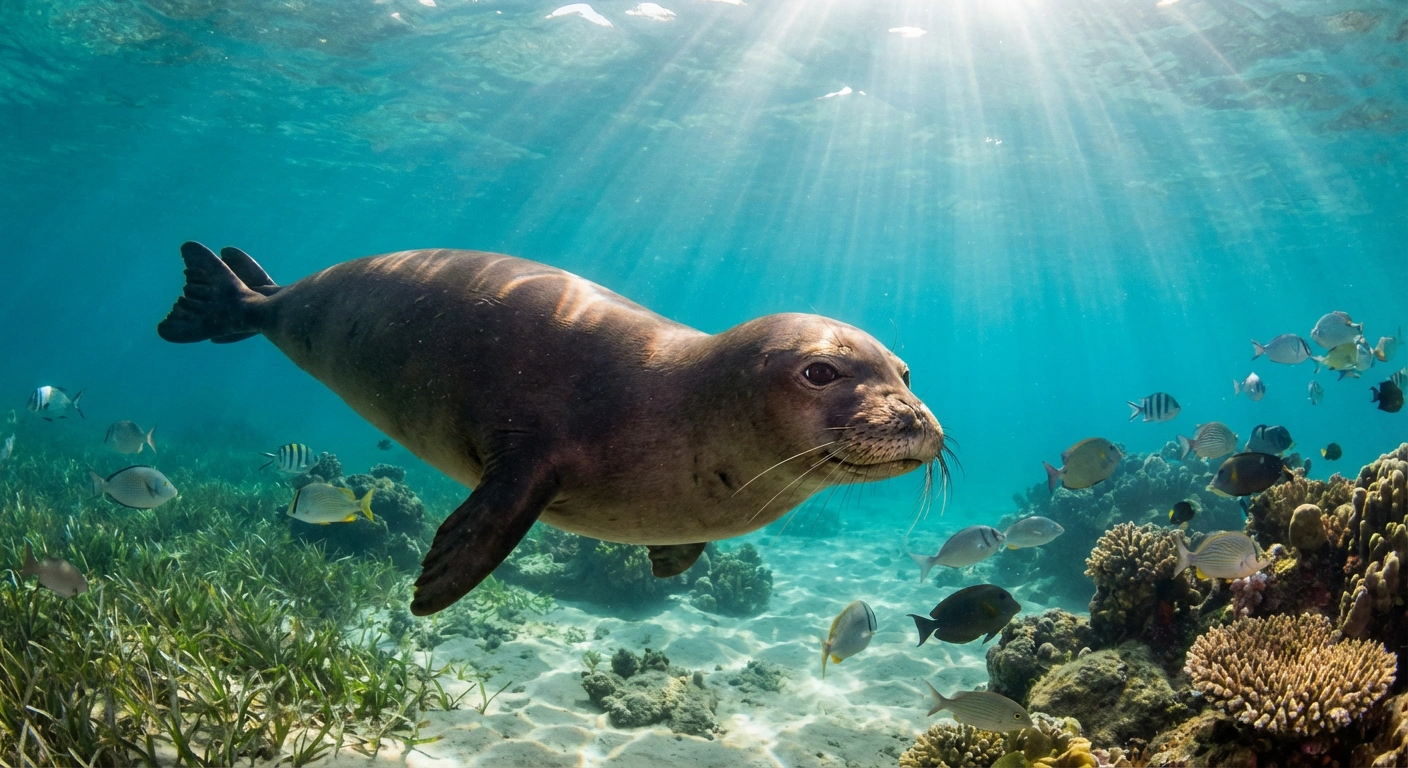
The project combines conservation and local development from an operational base: the Orango Parque Hotel, positioned as an ecotourism development center inside a national park and used to launch micro-projects and training that strengthen local capabilities and livelihoods. The goal is to ensure that protecting species and habitats (including the monk seal) is sustainable because it also creates jobs and value locally.
CBD-Hábitat advances a model where protecting Bijagós biodiversity and preventing species loss goes hand in hand with creating real economic opportunities for local communities. By combining ecotourism, micro-projects, and partnerships, the initiative strengthens a replicable approach where local development becomes a direct ally of conservation.
The document frames sustainability through local alliances, reinvesting tourism income into conservation, and long-term community-based management. Orango Parque Hotel is also described as using hospitality revenue to support micro-projects that benefit both biodiversity and local communities.
SDG 8 (Decent Work and Economic Growth): local jobs linked to ecotourism.
SDG 14 (Life Below Water): marine ecosystem protection through responsible tourism.
SDG 15 (Life on Land): conservation of mangroves and habitats.
SDG 17 (Partnerships for the Goals): cooperation with IBAP and communities.
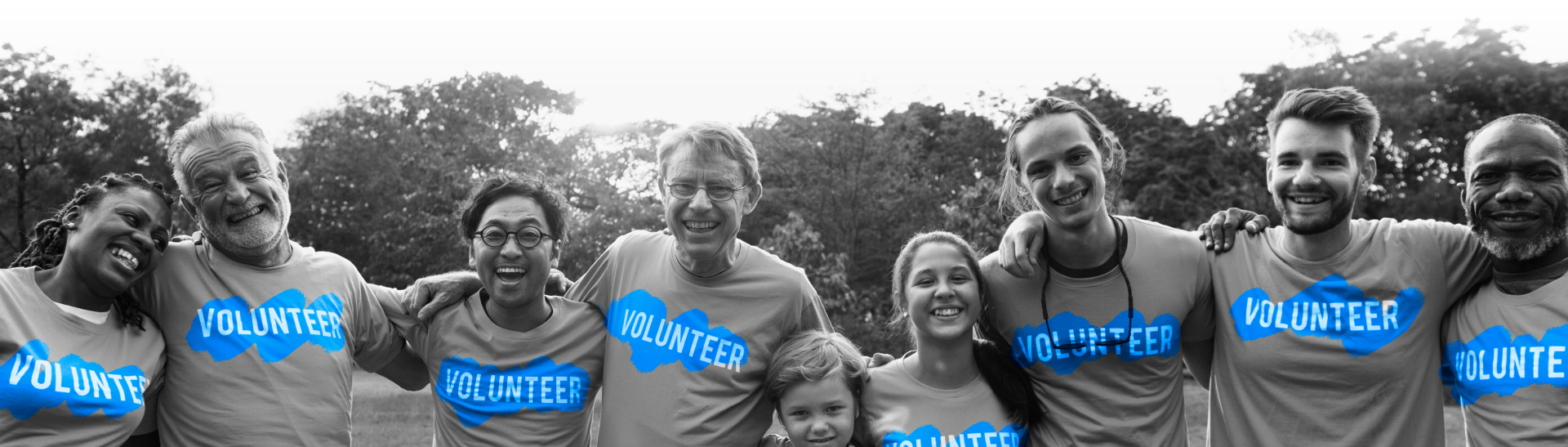
Revealed: 10 Days Traveling to the Heart of the Bijagós Some journeys take you far… and others take you deep. When I accepted the opportunity to volunteer in Orango, I […]
Vé como termina